Dom Drop: What It Feels Like and How to Pull Your Man Out of the Crash
Your man just crashed after a scene. Spot dom drop, understand the neurochemical plunge, and use aftercare to pull him back to solid ground.
The short answer
ReviewedThat hollowed‑out silence after a scene? The one where your man stares at the ceiling like someone just gutted him?
That hollowed‑out silence after a scene? The one where your man stares at the ceiling like someone just gutted him?
That’s dom drop.
One minute he was a human hurricane, ten feet tall and bulletproof, riding a high‑speed wave of control. The next, all that electricity empties out. No warning. The crash hits harder than any sub drop you’ve ever felt, and if you don’t know what you’re looking at, it’s terrifying.
Let’s walk through exactly what causes that crash, how it’s different from the drop you might experience, and exactly what you can do to pull him back onto solid ground.
What Does Dom Drop Mean?
Neurochemical nosedive. That’s it.

His brain just burned through every feel‑good chemical it had (adrenaline, endorphins, dopamine), and now they’re gone. Poof. What’s left is a body and mind that hit a wall at ninety miles an hour.
This isn’t “post‑sex tired.” It’s a full‑body comedown. The same flood that made him feel invincible during the scene reverses direction, and suddenly he’s empty, foggy, or completely hollow. Some dominants describe feeling like they’re watching themselves from the corner of the room, detached and numb.
He might go silent. He might refuse to be touched. He might snap at you over something tiny, or he might curl in on himself and look like he’s about to cry. It’s raw. It’s gutting to watch. And none of it means he regrets what you just did together.
What you’re seeing is physical depletion plus a psychological crash from intense focus. His body just spent everything it had. His mind, which was tracking your breathing, your body language, the angle of the toy, the tension of the rope, the timing of the next command, just shut off. The silence that follows? That’s not coldness. That’s a system reboot.
Why Dom Drop Matters
You can’t fix what you can’t name. And if you mistake his crash for resentment or rejection, you’ll both end up hurting in ways that poison the dynamic.

Three things usually gang up on him at once. None of them are your fault.
The chemical comedown
The second the scene ends, his brain chemistry falls off a cliff. No gentle slope. Just gone.
All those neurochemicals that powered his focus, his aggression, his precision don’t taper. They plummet. What’s left is a chemical void that feels a lot like depression. His body is bankrupt. No fuel. No buffer. Just a hollowed‑out shell of the person who was just in complete control.
That’s not poetic. It’s biology. And it’s the single biggest reason he might suddenly seem like he hates himself.
The weight of being in charge
During the scene, your man held the entire container. Your physical safety, your emotional state, the rhythm, the edges: all of it ran through his nervous system. That kind of hyper‑vigilance is intoxicating while it lasts.
When it stops, the weight doesn’t just disappear. It inverts.
He replays moments. He second‑guesses himself. Did he push too hard? Did he miss a cue? That tiny noise you made, was that pleasure or panic? Even when you’re lying there blissed out, his brain might be pummeling him with self‑doubt. The same control that made him feel like a god now makes him feel like a fraud.
When old guilt sneaks in
For a lot of dominants, kink bumps up against deep, personal stuff. Upbringing that taught him aggression is sinful. Shame around his own desires. A history of being told he’s “too much.” A scene can crack open something raw he didn’t know was simmering.
The crash then gets layered with guilt that has nothing to do with what actually happened. You’re looking at a man who, in his own head, just became the monster someone once told him he was. Even if you’re glowing with satisfaction, he might not feel it. The old narrative is louder.
How to Handle Dom Drop Safely
Okay, so he’s crashed. Now what?
Look, aftercare for your guy isn’t a bonus round. You don’t get to skip it any more than you get to skip the safe‑word talk. His brain just ran a marathon and slammed into a wall. Treat the crash like the physical and emotional emergency it is.
Get his body right first
Drop is partly a biological collapse, so treat the body before you touch the feelings. Water. Something with protein. A dense blanket, since the weight can help his nervous system downshift. Don’t pepper him with questions. Just get him warm, fed, and grounded.
“Hey, I’m grabbing you water and wrapping you up. You don’t have to talk right now.”
You’re not coddling him. You’re giving his body the landing pad it needs.
Open a low‑pressure door
Once he’s been quiet a few minutes, crack the door without shoving him through it. Avoid “Are you okay?” That can feel like an exam he’s about to fail. Instead, give him control over how he reconnects.
“I’m right here. Want silence or a few words?”
If he picks silence, sit with him. Don’t take it personally. The drop is talking, not him. Your presence without demand is the message.
Feed him specific, real praise
Generic “you’re amazing” will bounce right off. Dom drop feeds on the fear that he’s a bad person, a predator, a monster. You kill that fear with precision.
Tie your words directly to the care and skill he showed:
“When you checked in on me mid‑scene, that made me feel so safe.”
“The way you held my throat and whispered what you did? That was exactly what I needed. Thank you.”
You’re not praising the aggression. You’re naming the care. That’s what his brain needs to hear.
Alone time vs. skin contact
Some dominants need solitude to recalibrate. Others need to feel your skin against theirs. You won’t know which one he needs unless you ask. And you should have a rough plan from your pre‑scene talk. But in the moment, check again.
“Would you rather I stay right here, or do you need twenty quiet minutes with me in the next room?”
Respect whatever he chooses. Needing space after a drop doesn’t mean he doesn’t want you. It means he needs to reboot, and you’re giving him exactly what he needs to do it.
Consent and Negotiation
Aftercare isn’t something you improvise while he’s sinking. It’s part of consent. You negotiate it before the cuffs ever come out.
A quick, direct conversation can strip the shame out of the drop entirely:
“Hey, I know after a heavy scene you sometimes crash. What helps most, space or me holding you?”
That’s it. You’ve named the thing. You’ve made it normal. And you’ve given him permission to have needs without feeling broken.
During the scene, build in tiny consent gates. A simple “You good to keep going?” or a pre‑agreed signal. That lets him monitor his own tank in real time. Knowing he can call a pause without “failing” can prevent the worst crash, because he never reaches complete depletion.
Pre‑scene talks also let you both agree on a default aftercare ritual: water, blanket, silence, protein, whatever. When the drop hits, nobody has to figure out a plan from scratch.
Common Variations
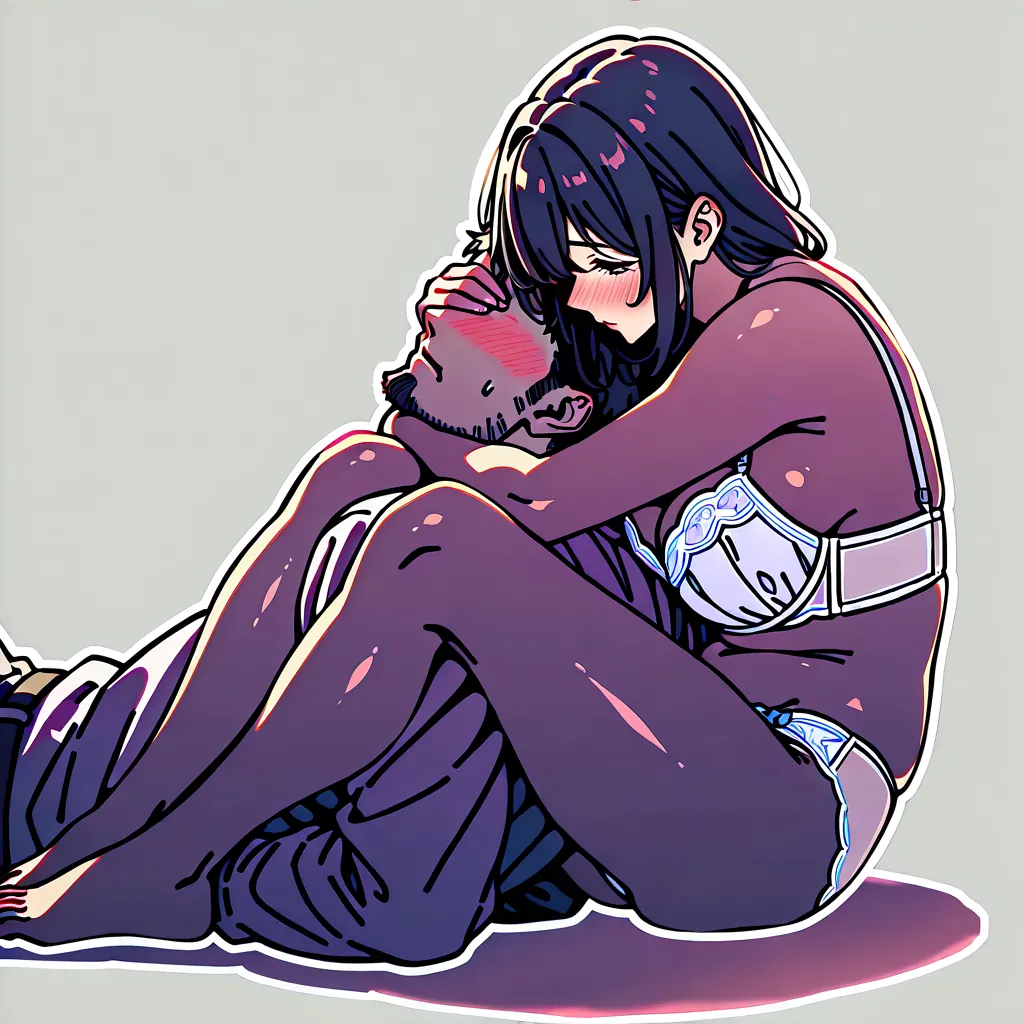
Dom drop vs. sub drop
Sub drop comes from the vulnerability crash: the intense release of control and the endorphin flood draining away. It’s floaty and unmoored.
Dom drop has a different flavor. It’s the burden of responsibility crashing down. Where sub drop feels like falling, dom drop feels like the floor just disappeared under someone who was holding up the ceiling.
Top drop
Top drop is the broader term that covers any dominant‑role crash in kink. “Dom drop” usually implies an ongoing D/s power exchange, while “top drop” applies to someone who topped a single scene without a dynamic. In conversation, people use them interchangeably. The hollow, guilty exhaustion is the same.
Why the difference matters
If you treat his crash like sub drop, with lots of cuddling, babying, emotional outpouring, you might make it worse. He needs to be reminded of his care, not his power. He needs to hear that what he did was wanted, seen, and deeply appreciated. That’s the throughline for all of them. The pleasure dom runs on exactly that, with dominance aimed at what she wants rather than what he takes.
Related Terms
- Aftercare: The intentional care you give each other after a scene to land safely, rebuild connection, and regulate the nervous system.
- Subspace: The altered, trance‑like state a sub can enter during intense play. Floating, dreamy, disconnected.
- Top space: The focused, invincible headspace a dominant enters during a scene. Feels like everything is under control and time warps.
- Sub drop: The crash a sub can experience hours or days after a scene, marked by vulnerability, sadness, or emotional rawness.
- Top drop: The broader term for a dominant’s crash, not limited to D/s dynamics.
Is dom drop the same as regret?
No. Regret means he wishes it hadn’t happened. Dom drop is a chemical and emotional crash that happens even when a scene was fully consensual and deeply wanted. He can feel hollow, guilty, or detached without a single ounce of genuine regret.
How long does dom drop usually last?
Most drops pass within a few hours, especially with solid aftercare. Some dominants feel weird for a day or two. If he’s still in a deep hole after 48 hours, or he’s spiralling into self‑loathing, it’s worth gently suggesting he check in with a kink‑aware therapist. That’s not failure. That’s responsible ownership of his mental health.
Can dom drop happen after a gentle scene?
Yes. Drop doesn’t require an intense physical marathon. It’s about the neurochemical shift, not the force used. Even a low‑key, deeply connected scene can leave him crashing if his system went into high‑focus mode and then dropped abruptly.
What if he won’t talk during aftercare?
Don’t force it. Silence doesn’t mean he’s shutting you out. Offer a low‑stakes opening (“I’m here when you’re ready”) and then just be present. If the pattern bothers you, talk about it during a calm, non‑scene moment: “I notice you go quiet after. Is silence part of how you recharge, or would you rather I check in differently next time?”
Is dom drop a sign he shouldn’t be a dominant?
Absolutely not. Drop is a normal physiological response to intense play, not a character flaw. If anything, the fact that he crashes means he’s putting real emotional weight into his role. Dominants who never feel anything after a scene are the ones who scare me.
Should we pause BDSM entirely until he feels better?
Not necessarily. You don’t have to scrap your whole dynamic because he’s human and comes down hard. What you need is better aftercare, regular check‑ins, and maybe shorter scenes that don’t drain him to zero. Learn his patterns. Adjust. The goal is to play with his biology, not against it.